


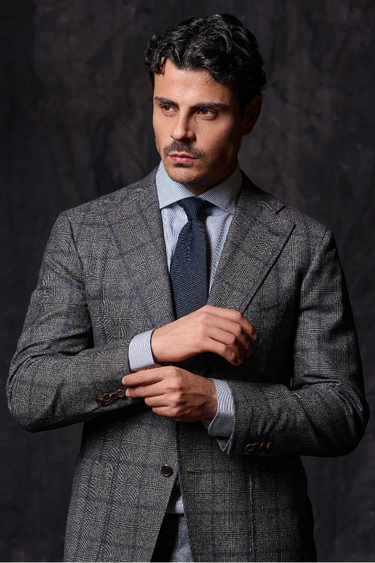
You've chosen your suit. The shirt is crisp. The shoes are shined. You look in the mirror and something's… missing. It's not a single thing. It's the sum of the small details. The belt. The tie. The pocket square. The watch. These aren't afterthoughts. They are the punctuation marks in the sentence of your outfit. They tell the world how much attention you've paid.
But here's where it gets tricky. Each accessory has a voice. A bold tie. A textured square. A gleaming watch. The secret to great style isn't any single piece; it's how they all speak to each other. Do they harmonize, or do they shout over one another? Do they create a cohesive, polished look, or a chaotic, cluttered one?
This isn't about rigid rules that stifle your personality. It's about understanding the principles of balance, proportion, and coordination. Once you learn how to make your classic accessories coordination sing, you'll elevate every outfit you own. You'll look like you didn't just get dressed—you composed yourself. Let's break it down, piece by piece.
The Foundation: The Golden Rules of Accessories
Before we dive into each accessory, let's establish a few universal principles. These are the guardrails that will keep your look on track.
- Quality Over Quantity: One beautiful, well-made accessory is worth more than a handful of cheap, flashy ones. Investing in minimalist luxury accessories men can rely on—a simple leather belt, a classic watch—pays dividends in the long run.
- Complement, Don't Match: This is the golden rule. Your tie and pocket square should never match exactly. Your belt and shoes should coordinate, but they don't need to be identical. Matching looks like you bought a pre-packaged set. Complementing looks intentional and sophisticated.
- Consider the Occasion: A chunky, tooled leather belt might be perfect for the weekend, but it's out of place with a business suit. A dive watch is great for casual wear, but a thin, elegant dress watch belongs at a formal event. Context is everything.
The Belt and Shoes: The Unbreakable Bond
Let's start from the ground up. The relationship between your belt and your shoes is the most important coordination rule in menswear. It's the foundation of a polished look. The question how to match belt and shoes is simple: they should be in the same family.
- The Rule: Your belt should be the same color, or a very close shade, as your shoes. Black shoes demand a black belt. Brown shoes demand a brown belt. Oxblood shoes? An oxblood belt.
- The Exception: The shade doesn't have to be perfect, especially with brown. A dark chocolate belt can work with medium brown shoes. But the family must be the same. Black and brown together is a classic mistake that breaks the visual line.
- Why It Matters: This creates a continuous, unbroken line from your feet to your waist. It anchors your outfit. When the colors are mismatched, it creates a visual disconnect that can make even the best suit look less considered.
- Material Matters: Similarly, consider the material. A sleek, polished leather belt belongs with sleek, polished leather shoes. A rugged, pebbled leather belt pairs better with country boots or loafers.
The Tie and Pocket Square: The Dynamic Duo
This is where many men feel most uncertain. The chest pocket is an opportunity, but it's also a risk. The key is to remember the golden rule: complement, don't match. This is the heart of any discussion on how to coordinate tie and pocket square.
- Color Coordination:
- Contrast: The safest and most classic approach. A solid navy tie with a crisp white linen pocket square. A burgundy tie with a cream square. The contrast creates a clean, sharp look.
- Complement: Pick up a secondary color from your tie in the pocket square. If your tie is navy with burgundy stripes, a burgundy square is perfect. If it's a green paisley, a square that includes a hint of green works beautifully.
- Pattern Play: Mixing patterns adds depth and sophistication, but it requires a light touch. The key is to vary the scale.
- A tie with a large, bold paisley pattern pairs well with a square with a small, neat geometric pattern.
- A striped tie works wonderfully with a polka-dot square, as long as the scales are different (e.g., narrow stripes with larger dots).
- When in doubt, pair a patterned tie with a solid square, or a solid tie with a patterned square. It's a foolproof way to add interest without the risk of clashing.
- Texture Tale: Don't forget texture. A smooth silk tie paired with a matte linen square creates a wonderful tactile contrast. A wool tie with a silk square adds depth and seasonal interest.
The Watch: The Statement of Substance
A watch is more than a time-telling device. It's a piece of jewelry, a statement of personal style, and often a family heirloom. Choosing the right watch for your outfit is a key part of looking polished.
- Match the Metal: If you're wearing a watch with a metal bracelet or case, consider the other metals in your outfit. A stainless steel watch pairs best with a stainless steel belt buckle, cufflinks, or pen. A yellow gold watch calls for gold-toned accents. Mixing metals can be done, but it requires a confident, intentional eye. For most, matching is the safer bet.
- Proportion is Key: The size of your watch should be proportional to your wrist and your overall look. A massive, chunky dive watch can overwhelm a slim dress shirt and suit. A tiny, elegant dress watch can look lost with a casual, rugged outfit.
- Strap Matters: A leather strap on your watch should generally coordinate with your belt and shoes. A brown leather strap looks best with brown shoes and belt. A black leather strap calls for black. This creates a harmonious flow.
The Supporting Cast: Cufflinks, Gloves, and Bags
These are the details that truly separate the well-dressed from the impeccably dressed. They are opportunities to add subtle personality and polish.
- Cufflinks: For formal occasions, a simple, elegant pair of cufflinks is essential. Silver or gold-toned knots or simple geometric shapes are timeless. They should complement, not compete with, your watch metal.
- Gloves: When the weather calls for them, gloves are a chance to add a touch of luxury. Leather gloves in black or brown are classics. Consider the classic menswear accessories rules here: black gloves with a black coat, brown with brown.
- Bags: A leather briefcase or messenger bag is an investment piece. Like your belt and shoes, it should be in a color that coordinates with your overall palette. A rich brown leather bag adds warmth to a navy or grey suit. A sleek black bag is more formal.
At a Glance: A Coordination Cheat Sheet for a Navy Suit
Let's put it all together with a common scenario: you're wearing a navy suit. Here's how to coordinate your accessories. This table covers the essentials for accessories for navy suit men.
|
Accessory |
Classic Choice |
Why It Works |
|
Belt |
Brown leather |
Brown adds warmth and contrast to navy. |
|
Shoes |
Brown leather (oxblood is also excellent) |
Complements the brown belt; creates a unified foundation. |
|
Tie |
Burgundy silk (solid or with subtle pattern) |
Classic complementary color; rich and confident. |
|
Pocket Square |
White linen (Presidential or Puff fold) |
Ultimate contrast; crisp, clean, and timeless. |
|
Watch |
Stainless steel with brown leather strap |
Steel adds subtle shine; brown strap ties in with belt/shoes. |
What Makes Accessories Look Expensive?
Not all accessories are created equal. You can spend a little or a lot. But regardless of price, certain details make an accessory look luxurious and well-considered. This is the essence of what accessories look expensive.
- Quality Leather: Look for full-grain leather. It will develop a beautiful patina over time. Avoid plastic-coated, "corrected grain" leather that looks fake.
- Stitching: Clean, even, and straight stitching is a hallmark of quality. On a belt, on a glove, on a bag—pay attention to the seams.
- Weight and Feel: A heavy, substantial buckle. A silk tie with a good weight and a soft, supple hand. These tactile details signal quality.
- Understated Design: True luxury doesn't shout. It whispers. A simple, well-proportioned watch. A belt with a discreet buckle. A pocket square with a subtle texture rather than a screaming pattern. These are the hallmarks of premium menswear details.
- Care and Maintenance: The most expensive accessory in the world will look cheap if it's scuffed, dirty, or worn out. Polish your shoes. Condition your leather. Steam your ties. Care is the ultimate luxury.
Conclusion: The Art of the Ensemble
Mastering the art of accessory coordination is one of the most rewarding skills in classic menswear. It's the difference between wearing clothes and composing an outfit. It's the quiet signal that you understand the details.
Start with the foundation: coordinate your belt and shoes. Then, build with the dynamic duo of tie and pocket square, remembering to complement, not match. Add a watch that speaks to your personal style and harmonizes with your metals. And finally, let the smaller details—cufflinks, gloves, bags—add the final, personal flourish.
It's not about perfection. It's about intention. It's about creating a look that feels cohesive, considered, and uniquely you.
Ready to elevate your accessory game? Explore our collection of thoughtfully curated pieces, from timeless ties and pocket squares to refined belts and more, at Sartale's men's clothing accessories . Find the details that will define your style.
Frequently Asked Questions
1. Should my belt always match my shoes?
Yes, as a general rule, your belt and shoes should be in the same color family. Black with black, brown with brown. This creates a cohesive, polished foundation for your outfit.
2. What are the essential accessories every man should own?
A classic leather belt (black and brown), a versatile silk tie (navy and burgundy), a white linen pocket square, a quality watch (stainless steel or a classic leather strap), and a pair of elegant cufflinks for formal occasions.
3. How do I coordinate a tie and pocket square for a business casual look?
For business casual, you can be slightly more relaxed. A solid knit tie with a linen pocket square in a complementary color is a great choice. Or, a simple patterned tie with a solid square. The key is to keep it balanced and not too formal.
4. Can I mix metals in my accessories (e.g., silver watch, gold buckle)?
Mixing metals can be done successfully, but it requires a confident eye. The key is to have a dominant metal and use the other as a subtle accent. For most men, matching your metals is the simpler, safer path to a polished look.
5. What's the best way to make my accessories look more expensive?
Focus on quality materials and care. Invest in full-grain leather, good-quality silk, and well-made pieces. Then, take care of them. Polish your shoes, condition your leather, and keep everything clean and in good repair.
6. How do I choose accessories for a navy suit?
A navy suit is incredibly versatile. A brown leather belt and shoes are a classic, warm choice. A burgundy tie and a white pocket square are the perfect finishing touches. A stainless steel watch with a brown leather strap ties it all together.
7. What are the biggest accessory mistakes men make?
The most common mistakes are: mismatching belt and shoes, wearing a tie and pocket square that are an exact match, wearing a watch that's too big or too casual for the occasion, and neglecting to care for their accessories.
8. Are there different rules for formal vs. business casual accessories?
Yes. Formal occasions call for more restraint and classic combinations: matching metals, solid colors, and timeless pieces. Business casual allows for more experimentation with texture, pattern, and color, while still maintaining a sense of polish and coordination.