


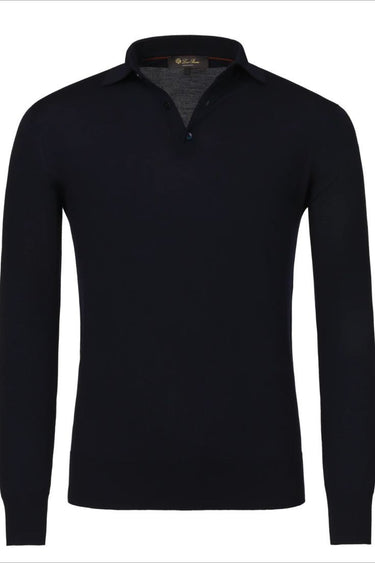
Summer tailoring fails when cloth fights the weather. You step into real heat, humidity rises, the jacket wilts, and what looked perfect in the mirror starts to collapse. Loro Piana summer fabrics were engineered to end that cycle. They breathe without looking flimsy, recover their shape after a long day, and hold a clean line under honest light. In short: you get elegance that survives the commute, the meeting, and the late dinner.
This guide is written for real wardrobes. We’ll keep the language clear, the advice actionable, and the focus on what you actually feel: airflow, drape, crease resistance, and how each fabric behaves with an unstructured blazer or tailored trouser. Along the way we’ll cover open-weave wool explained, high-twist wool for heat, tropical wool vs linen, silk-linen blends, breathable suiting fabrics, and build a compact summer blazer fabric guide you can use before you buy.
Why summer tailoring lives or dies by yarn and weave
Heat comfort is not a mystery; it’s airflow plus moisture management. Loro Piana approaches both at the yarn level. Tighter, more resilient twists hold the cloth slightly off the skin, creating micro-air channels. Drier, firmer yarns resist matting so the surface doesn’t become sticky in humidity. Then the weave is opened just enough to move air without going see-through. Combine that with thoughtful blends—wool for memory, linen for cool touch, silk for glide—and you have fabric that keeps its composure when temperatures climb.
That’s why a summer blazer can be both crisp and forgiving. The cloth feels dry to the hand, sits away from the body, and springs back instead of slumping. You look tailored, not tired.
Open-weave wool explained: the airy grid that breathes
Hold a true summer worsted to the light and you’ll notice daylight between yarns. That’s intentional. An open-weavereduces interlacings so the fabric becomes a micro-vent: every step pumps air through the jacket back and underarms, where heat builds first. Because the yarns are firm, the cloth doesn’t collapse; it floats.
Open weaves shine in blazers and travel suits. They shrug off stuffy meeting rooms, keep you fresh on city walks, and show a gentle texture that photographs beautifully. The trade-off is a touch less formality than dense dress twills—but in summer, polish comes from proportion and cleanliness more than from raw density.
High-twist wool for heat: why “twist” equals comfort
You’ll hear “high-twist” used like a password. Here’s the practical version. Tightly spun yarns behave like microscopic springs. They refuse to felt, they keep the fabric off your skin, and they rebound after creasing. That rebound is the secret behind trousers that still look pressed at 6 p.m.
High-twist cloths feel cool and slightly “wiry” in the best way—dry, crisp, never clammy. If you think wool is only for winter, try a pair of high-twist trousers once. You’ll change your mind the first hot commute they survive.
Tropical wool vs linen: choosing the right kind of ease
Both promise relief, but they deliver different moods.
-
Tropical wool favors a clean V from shoulder to button and a trouser crease that stays true. It’s the office hero: airy, refined, and easy to maintain.
-
Linen breathes even more and carries artisanal slub you can see from a meter away. It creases honestly and wears those creases like a story—relaxed, Riviera, weekend at a glance.
If you live in suits Monday to Thursday, tropical wool keeps you sharper with less effort. If your calendar leans to dinners, terraces and travel, linen earns its space fast. The smartest play for many men is a hybrid: wool-linen (often with a touch of silk) that keeps linen’s cool touch but borrows wool’s shape memory.
Silk-linen blends: depth without glare
Silk adds a subtle glide; linen adds grain. In the right proportion, silk-linen blends create a surface with matte depth—no plasticky shine, just a quiet glow that reads expensive under harsh summer light. These blends love unstructured blazers, overshirts and tailored separates: lighter than pure wool, more composed than pure linen, and superb at dressing up a knit polo or open-collar shirt.
Breathable suiting fabrics: construction matters as much as cloth
Even the best fabric can be strangled by heavy construction. To keep breathable suiting fabrics working for you:
-
Choose soft canvases and light chest pieces.
-
Prefer half lining, buggy backs and open seams where appropriate.
-
Keep shoulder padding minimal; let the cloth move.
-
In trousers, a clean mid-rise with a hair more thigh improves airflow and comfort.
-
Use lightweight pocketing and curtain waistbands so hot spots don’t form at the hips.
When pattern and make respect the fabric, you feel the breeze—and you still look tailored.
Summer blazer fabric guide: a quick map you can trust
Use this table as a working cheat sheet while you compare swatches or product pages.
|
Fabric family |
What it feels like |
Breathability |
Crease behavior |
Best for |
Styling note |
|
Open-weave worsted wool |
Dry, crisp, airy |
High |
Springs back quickly |
Office blazers, travel suits |
Matte texture pairs well with leather or suede |
|
High-twist worsted wool |
Cool, “wiry”, bouncy |
Very high |
Resists bagging, sharp crease |
Trousers, unlined jackets |
Your heat-proof trouser foundation |
|
Wool-silk-linen |
Textured with a matte glow |
High |
Moderates linen creases |
Unstructured blazers, separates |
Works day-to-night with a knit polo |
|
Pure linen |
Cool, open, slubby |
Very high |
Creases proudly, softens with wear |
Casual suits, overshirts, travel |
Embrace the patina; keep the cut clean |
|
Tropical wool |
Smooth, dressy, light |
High |
Low effort to look polished |
Formal summer tailoring |
The boardroom-in-July option |
Fit that reads cool: small choices, big difference
Summer tailoring doesn’t mean shorter or tighter. It means smarter ease.
-
Jacket length: honest, not cropped. A real skirt helps air circulate.
-
Upper back ease: a finger more across the blades prevents cling when humidity rises.
-
Sleeves: skim rather than grip. Lighter sleeveheads keep movement natural.
-
Trousers: a clean line through the knee with a gentle taper to a tidy opening (often 17–19 cm measured flat) avoids puddling on loafers or sneakers.
These are micro-adjustments your tailor can make in minutes—and you’ll feel them all day.
Color and texture: how summer light changes the rules
Summer light is harsher and flatter. Dense, glossy fabrics can look shiny; open textures look intentional. That’s why deep navy hopsack reads smarter than inky worsted, tobacco wool-silk-linen looks sophisticated rather than rustic, and stone or ecru trousers brighten a look without shouting.
Build your palette around cool textures and grounded colors: navy, mid-grey, tobacco, olive, stone, ecru. Let contrast come from weave and grain rather than loud hues. Your outfits will look composed in the afternoon sun and even better at golden hour.
Capsules that earn their keep: two suits, two jackets, three trousers
If you want maximum mileage with minimal pieces, start here:
-
Suits: a navy open-weave or tropical-wool suit for workdays; a mid-grey high-twist suit for heat-proof commuting and meetings.
-
Jackets: a tobacco wool-silk-linen blazer and a stone or sage linen blazer for weekends and dinners.
-
Trousers: high-twist wool in mid-grey and navy; linen or cotton-linen in ecru.
Everything mixes cleanly. Any jacket meets any trouser. Shirts can be airy poplin, end-on-end or linen-cotton. Shoes: suede loafers, light calf oxfords or refined sneakers depending on the room.
Real-world pairings: one fabric, three ways
Open-weave navy blazer
-
9 a.m.: pale poplin shirt, mid-grey high-twist trousers, dark brown loafers.
-
1 p.m.: knit polo, ecru cotton-linen chinos, tobacco suede loafers.
-
8 p.m.: black crewneck, charcoal trousers, black leather sneakers.
Wool-silk-linen tobacco jacket
-
With denim: washed indigo, white OCBD, tan belt—easy and grown-up.
-
With ecru trousers: knit polo, braided leather belt, snuff suede loafers—smart-casual gold.
-
With navy high-twist trousers: open-collar shirt, slim watch—dinner sharp.
Pure linen suit (stone)
-
Boardwalk: striped tee, espadrilles, sunglasses.
-
City heat: end-on-end shirt, suede loafers, pocket square barely peeking.
-
Travel: linen overshirt instead of jacket, breathable tee, refined sneakers.
Care that preserves shape—and your patience
-
Air between wears. Give garments a rest day; fibers rebound and odors dissipate naturally.
-
Brush lightly. A soft garment brush lifts dust and keeps the weave open.
-
Steam from the inside. Activate twist memory and release travel creases without crushing texture.
-
Avoid aggressive pressing. Heavy heat flattens yarns and kills the airy hand you paid for.
-
Pack smart. Roll trousers from hem to waistband; use a breathable garment sleeve for jackets—no plastic.
-
Spot clean, then freshen. Save full washes or dry-clean cycles for when they’re truly needed.
Good care extends life, raises cost-per-wear value, and keeps your summer rotation looking new.
A five-point buying checklist you can run in two minutes
-
Hand & handle: does the fabric feel dry and lively, not limp or sticky?
-
Light test: can you see controlled daylight through the weave (for blazers)?
-
Recovery: scrunch gently—does it spring back? high-twist should.
-
Construction: half lining, soft canvas, minimal padding? yes, yes, yes.
-
Color & texture: will it play with what you already own (navy, grey, tobacco, stone)?
If you’re five-for-five, you’ve found a summer workhorse.
Where to start on Sartale
Ready to compare real cloth in real light? Explore Sartale’s curation of seasonal tailoring and build your warm-weather rotation around pieces that breathe and bounce back. Begin with Loro Piana to feel the difference that yarn, weave and thoughtful blends make on a hot day.
Conclusion: dress for the climate you actually live in
Summer elegance isn’t about suffering through stiff jackets or accepting wilted lines by noon. It’s about smart fabric—open weaves that vent heat, high-twist wool that resists creases, and blends that balance cool touch with clean drape. Choose construction that respects the cloth, keep the fit honest, and let texture do the talking. With Loro Piana summer fabrics, you can stay cool, look sharp, and feel like yourself from morning coffee to midnight taxi.
FAQ
What makes Loro Piana summer fabrics different from ordinary wool?
Airflow and recovery. Firm, high-quality yarns and open weaves move moisture away while the cloth keeps its architecture, so you feel cooler and look neater.
Is high-twist wool for heat really cooler than cotton chinos?
Often, yes—especially in humidity. High-twist wool stays drier and “pumps” air as you move, while cotton can hold moisture and feel clammy.
Open-weave wool explained in one line?
A firm, airy grid that vents heat without losing shape—linen’s ventilation with wool’s discipline.
Tropical wool vs linen: which is better for the office?
Tropical wool. It maintains a crisp crease and formal outline with minimal effort. Linen reads relaxed and is best for creative offices, travel and evenings.
Are silk-linen blends shiny?
Quality blends show a matte glow, not glare. Silk adds glide and depth; linen lends grain and a cool touch.
Do breathable suiting fabrics require unlined jackets?
Half or buggy linings are ideal. Fully unlined can work, but sleeve lining preserves donning ease and a clean line.
What trouser fit feels coolest in summer?
A true mid-rise, a fraction more room in the thigh, and a tidy taper to a modest opening—enough space for air to move, no cling at the knee.
How do I keep a summer blazer looking crisp all day?
Choose the right cloth first, then hang it well, steam from the inside, and rotate. High-twist trousers and open-weave jackets are built to bounce back.
Which two fabrics cover most summer scenarios?
A navy open-weave or tropical-wool blazer and mid-grey high-twist trousers. Between them you’ll dress for work, travel and dinner without overheating.