


There’s a moment in early spring when the sun is warm enough to tempt you out without a coat, but the breeze still carries a winter chill. It’s the perfect weather for a jacket—but not just any jacket. You reach for that lightweight, unlined blazer or a soft cotton chore coat. It feels right. But then you put it on over your dress shirt, and something goes wrong.
You move your arm, and suddenly the shirt sleeve bunches up around your bicep. You catch a glimpse of yourself in a mirror, and the line from your shoulder to your wrist looks... lumpy. The effortless look you were going for has been replaced by a silhouette that feels tight and restrictive. It’s a common frustration, but the good news is it’s entirely avoidable. Layering a shirt under a lightweight jacket for spring isn't about squeezing into a smaller size. It's about understanding fit, fabric, and a few subtle tricks that make all the difference. Let’s break down exactly how to wear a dress shirt under a lightweight jacket so you look sharp, feel comfortable, and move through your day with zero bulk.
The Foundation: It Starts with the Shirt
You can’t build a sleek layering look on a shaky foundation. Before you even think about the jacket, you have to be honest about the shirt you’re wearing. This is where most men go wrong. They try to layer a boxy, thick shirt and wonder why it looks messy.
The Fabric Matters
For successful layering under a spring coat or unlined jacket, fabric weight is everything. Heavy flannels or thick Oxford cloths are for wearing on their own or under a heavy overcoat. For spring, you need something that moves with you.
- Lightweight Poplin or Pinpoint: These are your best friends. They’re smooth, thin, and glide against both your skin and the jacket’s lining (or lack thereof).
- End-on-End or Voile: Even finer weaves that feel almost weightless. They provide the polish of a dress shirt without any of the puffiness.
The Fit is Non-Negotiable
A shirt that fits perfectly on its own can still fail under a jacket. Pay attention to these two critical areas:
- The Shoulder Seam: It must sit exactly at the edge of your shoulder bone. If it hangs over, the jacket’s shoulder will have a crumpled, messy look. If it’s too short, the jacket will ride up and restrict movement.
- The Sleeve Circumference: This is the hidden villain of bulk. Your shirt sleeves need enough room to move comfortably, but if they are excessively wide, they will bunch and gather the moment you put a jacket over them. A trimmer sleeve is essential for a clean line.
The Jacket: Choosing the Right Partner
Not every jacket is designed to be worn over a dress shirt. That heavy, structured winter blazer with thick padding is a different beast. For a seamless spring look, the jacket itself needs to be a collaborator.
Understanding Unlined and Lightly Lined Jackets
The beauty of an unlined jacket is its breathability and fluidity. But that also means there’s less structure to hide a poorly fitting shirt. The best jackets for this are made from soft, forgiving fabrics like cotton, linen, or a wool blend with a soft shoulder. They should skim your body, not constrict it. A structured, padded shoulder might look powerful in a boardroom, but for a casual spring walk, a natural shoulder that follows your own line is key to avoiding that "stuffed" look.
The Golden Rule: How to Avoid Bunching Shirt Sleeves
This is the number one complaint, and it has a simple, three-part solution. When you put your jacket on, do you feel the shirt sleeve gathering up around your elbow? Here’s how to fix it.
-
The Pre-Pull
Before you slip your arm into the jacket sleeve, take your dress shirt sleeve at the cuff and give it a gentle tug downward. This removes any slack from the forearm. Then, take the jacket sleeve and hold it open, guiding your arm in so the shirt and jacket sleeve move together as one unit. -
The Shoulder Shrug
Once the jacket is on, don't just stand there. Roll your shoulders forward and back a few times. Reach your arms out in front of you, then lift them to the side. This simple act settles both the shirt and the jacket into their natural resting positions, releasing any trapped fabric before it becomes a problem. -
The Final Adjustment
After you've moved around, look at the sleeve opening. Ideally, you want a sliver of shirt cuff—about half an inch—to peek out from the jacket sleeve. If too much cuff is showing, the shirt sleeve may be too long and is likely bunching inside. If none is showing, the jacket sleeve is probably too long or the shirt sleeve has ridden up. Adjust by gently pulling the shirt cuff down from inside the jacket.
The Perfect Cuff Length: A Visual Guide
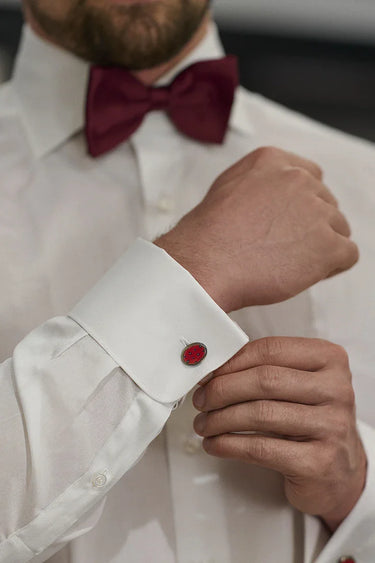
The relationship between your shirt cuff and jacket sleeve is the signature of a well-dressed man. It’s a small detail that speaks volumes. For a classic spring look with a lightweight jacket, here’s the goal:
|
Element |
The Goal |
Why It Works |
|
Shirt Cuff |
Should sit at the base of your thumb, where your wrist meets your hand. |
This is the natural endpoint for your sleeve. It allows full wrist movement. |
|
Jacket Sleeve |
Should end right at the wrist bone, where your hand begins. |
This creates a clear, intentional line and allows that perfect 1/4 to 1/2 inch of shirt cuff to show. |
|
The Reveal |
A clean sliver of shirt cuff, visible all around. |
It adds a layer of depth and polish, signaling attention to detail without being flashy. |
If your jacket sleeve is so long it covers your entire shirt cuff, the whole look becomes heavy and sloppy. If your shirt cuff disappears, the layering fails. Take a moment to check this before you walk out the door.
Advanced Layering: When There's No Lining
Wearing a shirt under an unlined jacket presents a unique challenge: friction. With no slick lining, the jacket fabric can grab the shirt fabric, causing it to ride up and twist. This is especially common with cotton jackets and cotton shirts.
The Solution: A Strategic Undershirt
You might think an undershirt would add more bulk, but the right one actually reduces it. A smooth, lightweight undershirt (think fine cotton or modal) creates a slip layer. Your dress shirt can then move against the undershirt, while the jacket grips less because it's against another layer of fabric. It sounds counterintuitive, but it’s a tailor’s trick that works. Just make sure it’s a V-neck so it stays hidden and doesn't complicate your neckline.
Putting It All Together: Your Spring Layering Checklist
Before you head out, run through this quick mental checklist to ensure a clean, bulk-free look:
- Shirt Fit: Shoulder seams aligned? Sleeves not overly baggy?
- Jacket Choice: Light fabric, natural shoulder, unlined or lightly lined?
- Sleeve Check: After moving around, is there a clean 1/4" of cuff showing?
- Silhouette: Look sideways in a mirror. Is the line from your shoulder to waist smooth, or are there lumps and bumps?
- Comfort: Can you reach for a coffee, shake a hand, or drive a car without feeling like your sleeves are going to burst?
Mastering the art of the layer is what separates a man who wears clothes from a man who looks effortlessly put-together. It’s a quiet skill, but it speaks loudly. This spring, don't let a bulky silhouette ruin a good outfit. Pay attention to these details, and you’ll find that perfect balance of comfort and style.
Frequently Asked Questions (FAQ)
1. Can I wear a dress shirt under a denim jacket for a smarter look?
Absolutely. A crisp, white dress shirt under a dark, unwashed denim jacket is a classic spring combination. To keep it from looking bulky, choose a slim-fit shirt in a lightweight poplin and ensure the denim jacket isn't too tight in the shoulders. The contrast between the refined shirt and rugged jacket is part of the appeal.
2. My jacket always rides up when I lift my arms. Is it the jacket or the shirt?
It's likely the jacket's cut. Jackets with a very tight armhole or a restrictive back can't accommodate the range of motion you need. Look for jackets with a slightly wider armhole and a bit of ease through the back, sometimes called a "pleated back" or "action back," which is designed for movement.
3. What's the best collar to wear under a jacket without a tie?
A button-down collar is the classic choice for a reason. The buttons keep the collar points neatly in place. A soft, unfused collar can also work well, as it will lay flat and natural under the jacket's lapels. Avoid stiff, spread collars, which can look awkward and push against the jacket.
4. How do I stop my shirt from bunching at the waist under a short jacket?
This often happens if your shirt is too long. For wearing untucked under a short jacket, your shirt should end mid-fly, not cover your whole backside. If tucking in, make sure you have a good shirt stay or simply ensure you've pulled the fabric taut and smooth before buttoning your trousers.
5. Is it okay if the shirt sleeve is a little long for this type of layering?
It's better to have a sleeve that's slightly too long than too short, but the goal is precision. If the sleeve is too long, it will inevitably bunch inside the jacket. If you love a shirt but the sleeves are long, a tailor can shorten them for a very reasonable cost—it's one of the best investments you can make in your wardrobe.
6. What about patterns? Can I wear a patterned shirt under a patterned jacket?
Yes, but proceed with confidence and caution. The safest bet is a solid shirt with a textured or subtly patterned jacket. If you want to mix patterns (like a gingham shirt with a glen plaid jacket), ensure they are different scales—one large, one small—and share a common color. When in doubt, a solid white or blue shirt from a classic collection is the ultimate foundation piece.
7. Should I button all the buttons on my dress shirt when wearing it under a jacket?
If you're wearing a tie, yes, button all the way to the top. If you're going without a tie, it's perfectly acceptable to leave the top one or two buttons undone. This creates a more relaxed, open look. Just make sure the collar still sits nicely against the jacket's lapels.
8. Can a knit blazer or cardigan work the same way as a woven jacket?
A fine-gauge knit blazer or cardigan can be an excellent choice for a soft, textured layer. The key is to ensure the knit is smooth and not too chunky. A heavy cable-knit cardigan will add bulk, but a lightweight merino wool or cotton knit blazer can drape beautifully over a dress shirt without the rigidity of a woven jacket.
9. How do I keep my shirt looking fresh all day under a jacket?
Choose breathable fabrics like cotton or linen. The jacket itself can trap heat, so a breathable shirt is essential. Also, consider carrying a small fabric shaver to remove any pilling that can occur from friction, and always hang your shirt on a wide hanger at the end of the day to let the fibres relax. Starting with a high-quality shirt from a trusted source, like those found in our men's classic shirts collection, also makes a world of difference in how well it holds its shape.
The goal of layering isn't to bundle up—it's to create a look that's greater than the sum of its parts. When your shirt and jacket work together in perfect harmony, you move through the world with a quiet confidence that needs no explanation. That's the true power of getting the details right.