


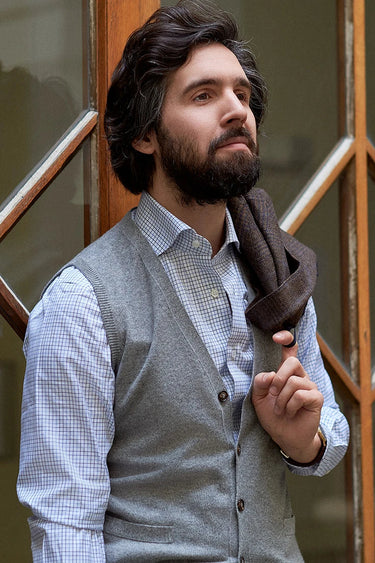
There’s a particular kind of misery that comes with the first warm day of spring. You’ve waited months for it. The sun is out, the air feels fresh, and you’re ready to finally shed the heavy layers. You put on your favorite dress shirt, the one that looks sharp under a blazer, and you step outside feeling like a million bucks.
Fast forward two hours. You’re sitting in a café or walking to a meeting, and that crisp shirt now feels like a damp paper towel clinging to your skin. The color has darkened in patches, and all that initial confidence has evaporated into thin air.
The culprit isn’t the weather. It’s your fabric.
Choosing the right spring dress shirt fabrics is the difference between looking effortlessly cool and looking like you ran here. It’s not just about weight; it’s about weave, breathability, and how the cloth interacts with your body and the environment. Let’s break down the textile science—and the style—so you can actually enjoy the season.
Why Spring is the Trickiest Season to Dress For
Winter lets you hide behind thick flannels and heavy twills. Summer is obvious—linen or nothing. But spring is a shapeshifter. It gives you a balmy 22°C (72°F) afternoon, only to drop 10 degrees the moment the sun goes down. You need a fabric that breathes when you’re moving, but doesn’t look flimsy when you’re standing still.
The golden rule for spring shirting is simple: look for an open weave and natural fibers. We’re focusing on 100% cotton here, because synthetics might wick sweat, but they rarely look elegant in a business casual or dressed-up setting. The magic is in how the threads are twisted and woven together.
Let’s dive into the contenders for your spring rotation.
The Spring Fabric Heavyweights: Weaves Explained
If you walk into a shop or browse a collection like the shirts at Sartale, you’ll see a lot of specific terminology. End-on-end, pinpoint, royal oxford—these aren’t just marketing fluff. They tell you exactly how the shirt will feel and perform.
1. The Undisputed Spring King: Poplin
If you could only own one shirt for the transitional weather, make it a poplin shirt for spring. Also known as broadcloth, poplin is characterized by a simple, tight weave using fine, combed yarns. It results in a fabric that is incredibly smooth, lightweight, and crisp.
- The Vibe: It’s the "business shirt." It holds a sharp crease, looks formal, and drapes cleanly.
- Why it works for Spring: Because the weave is simple and the yarns are thin, poplin is naturally one of the most breathable shirt fabrics for men. It feels almost papery to the touch, which means it won't trap heat against your body.
- The Catch: That smooth surface shows wrinkles easily if you sit in a car for too long. But that’s a small price to pay for staying dry.
2. The Textured Hero: Oxford Cloth
Oxford is the workhorse of the wardrobe. It’s the fabric that takes you from a casual Friday at the office to a weekend farmers' market without missing a beat. But not all Oxfords are created equal, especially for spring.
- Standard Oxford: Too heavy for spring. It’s a basket weave with thick threads, designed for durability and warmth. Save it for autumn.
- The Spring Champion: Pinpoint Oxford Dress Shirt. This is your golden ticket. Pinpoint uses finer yarns and a tighter weave than standard Oxford. You still get that beautiful, subtle texture, but it’s much lighter and smoother. It breathes better and feels more refined under a jacket.
- The Luxury Option: Royal Oxford Dress Shirt. If pinpoint is the smart-casual cousin, Royal Oxford is the one who went to finishing school. It uses an even more complex weave with a fine, pearl-like texture that catches the light. It’s luxurious, drapes beautifully, and is surprisingly breathable, making it perfect for a spring wedding or an important dinner where you don’t want to overheat.
3. The Visual Intrigue: End-on-End
Have you ever seen a shirt that looks like a solid color from across the room, but up close reveals a subtle, heathered texture? That’s end-on-end.
- The Weave: It’s made by alternating white and colored threads in both the warp and weft. This creates a woven, almost dotted effect.
- Why it’s Perfect for Spring: The construction creates tiny air pockets. This makes an end-on-end shirt vs oxford comparison interesting. While a classic oxford is thicker, end-on-end offers the visual depth of texture but with the lightweight feel and breathability that rivals poplin. It’s the ultimate "quiet luxury" fabric for warm weather.
The Lightweight Champions: A Quick Comparison
To help you visualize the differences at a glance, here’s a handy breakdown of these key fabrics.
|
Fabric |
Weight |
Breathability |
Texture |
Best For |
|
Poplin |
Very Light |
Excellent |
Smooth, Crisp |
Board meetings, formal events |
|
Pinpoint Oxford |
Light-Medium |
Very Good |
Subtle, Pebbled |
Business casual, smart dates |
|
End-on-End |
Light |
Excellent |
Heathered, Visual |
Dinners, creative offices |
|
Royal Oxford |
Light |
Good |
Lustrous, Jewel-like |
Weddings, special occasions |
|
Linen |
Light |
Supreme |
Textured, Slubby |
Beach clubs, hot weekends |
The Forgotten Element: Fit and Finish
Once you’ve selected your lightweight dress shirt fabric, don’t forget that the construction matters just as much. A shirt made of the best best shirt fabric for warm weather can still feel suffocating if it fits like a sausage casing.
- The Collar: For spring, consider an unlined or "soft" collar. It rolls naturally and feels less rigid against your neck as the temperature rises.
- The Cuff: Make sure you can fit a finger between your wrist and the cuff. You want air to circulate down your sleeves.
- The Shoulder: The seam should sit exactly at the edge of your shoulder bone. If it hangs off, the whole shirt loses its structure and won't drape properly over your chest and back.
How to Style Your Spring Shirts
The beauty of these fabrics is their versatility. A poplin shirt for spring in sky blue is the ultimate foundation piece. Wear it with a navy blazer and grey trousers for the office. For the weekend, lose the jacket, roll the sleeves twice (a clean, sharp roll, not a bunchy mess), and pair it with chinos and suede chukka boots.
A royal oxford dress shirt in white or ecru is a statement piece on its own. Wear it with the top button undone, no tie. Let the texture of the fabric be the focal point. It pairs exceptionally well with the textured formality of a wool or cotton-linen blend jacket.
And for those days that start cool and end warm, a lightweight dress shirt fabric like pinpoint oxford is your best friend. Throw a knit tie in your bag just in case, but chances are, you’ll be comfortable enough to leave it off by 3 PM.
The Final Press
Navigating the world of shirting doesn't have to be a chore. This spring, look beyond the color and focus on the weave. Ask yourself: Will this keep me cool when the sun is out? Will it look sharp when the wind picks up? If the answer is yes to both, you’ve found your match.
Invest in a couple of key pieces in neutral colors (white, light blue, ecru) using the fabrics we’ve discussed. You’ll find yourself reaching for them constantly, wondering how you ever survived a warm day in a thick, stuffy shirt.
Ready to refresh your rotation? Explore the collection and feel the difference that quality, breathable fabrics make.
FAQ: Your Spring Shirt Questions, Answered
1. Is poplin too thin for a professional office environment?
Not at all. Poplin is actually the standard for business shirts. Its crisp finish looks very professional under a suit. Just ensure it’s a high-quality, 100% two-ply cotton poplin so it isn't see-through.
2. What’s the main difference between pinpoint oxford and royal oxford?
Think of it as the difference between a reliable sedan and a luxury coupe. Pinpoint is durable, textured, and perfect for daily wear. Royal oxford uses a more complex weave for a silkier, more lustrous finish—it’s for when you want to dress to impress.
3. Can I wear an end-on-end shirt with a patterned tie?
Absolutely. Because the texture of an end-on-end shirt is very subtle, it acts as a neutral background. It allows a striped or dotted tie to pop without clashing, as it avoids the "flatness" that sometimes happens with a plain poplin.
4. What is the absolute best shirt fabric for hot, humid spring days?
For high humidity, you want something that doesn't cling. Linen is the king here, but it wrinkles heavily. If you need to stay a bit more polished, go for a loosely woven poplin or a high-quality end-on-end, as they allow maximum airflow.
5. How do I care for these lightweight fabrics to make them last?
Always follow the label, but a general rule: Wash in cold water to preserve the color and prevent shrinkage. Take them out of the dryer while they are slightly damp to make ironing easier. For royal oxford, consider air drying to maintain the lustrous weave.
6. Are these spring fabrics only for dress shirts?
Not at all. While we've focused on dress shirts, these weaves are also used in casual button-downs. A pinpoint oxford casual shirt is a fantastic layering piece over a simple t-shirt on a cool spring evening.